
What is UPLiFT?
The UK Programme of Laser Inertial Fusion Technology for Energy (UPLiFT) is an exciting £10M project led by the CLF and funded by the Department for Energy Security and Net Zero (DESNZ).
UPLiFT provides a focus in the UK for the development of technologies relevant to energy-generation via laser inertial fusion. In doing so, UPLiFT aims to grow the UK’s laser fusion research base and accelerate the development of UK knowledge, technology and expertise in this area.

UK collaboration
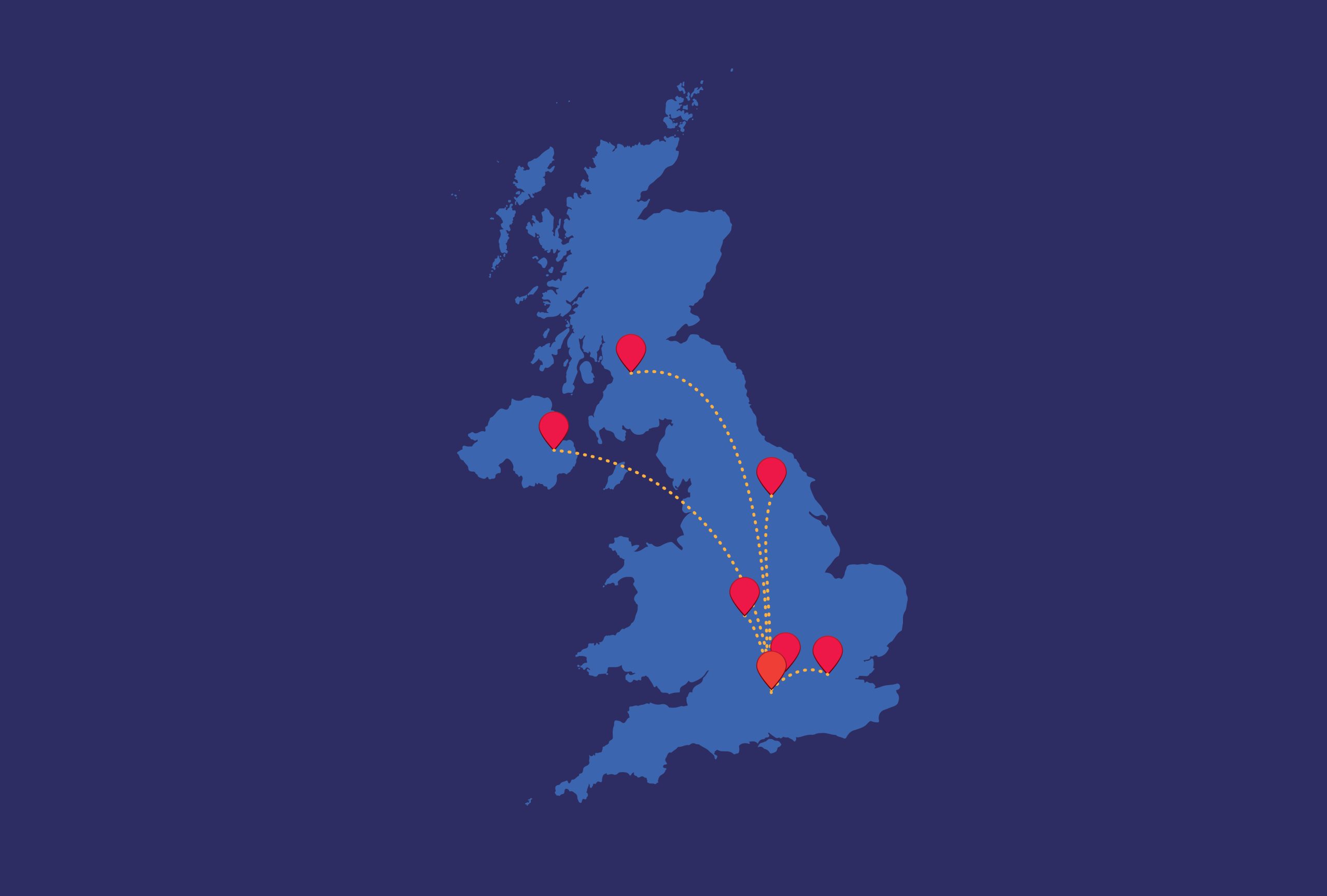
UPLiFT is running for four years until March 2028. The CLF will act as the lead organisation, with research and development performed jointly with academia, industry, and other national laboratories in a programmatic manner. Academic partners include Imperial College London, the University of Oxford, Queens University Belfast, the University of Strathclyde, the University of Warwick, and the University of York.
Key areas
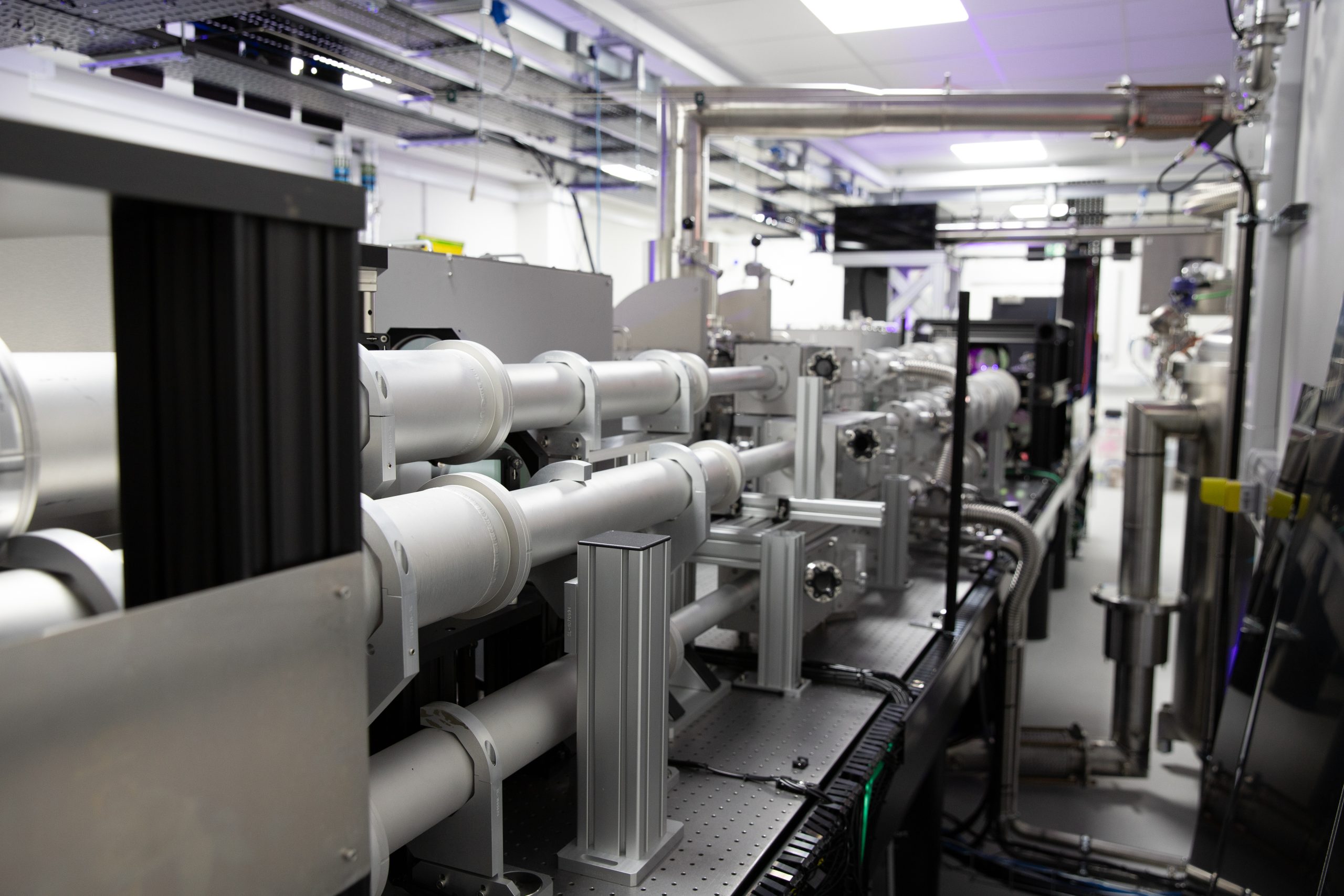
Building on the world leading DiPOLE laser architecture, UPLiFT is investigating a new patented laser architecture to meet the demanding challenges of a fusion relevant laser driver, while substantially reducing costs.
This includes the continued development of energy-efficient, high-energy, high-average-power commercially competitive lasers, maintaining the UK’s current international leadership in this technology.
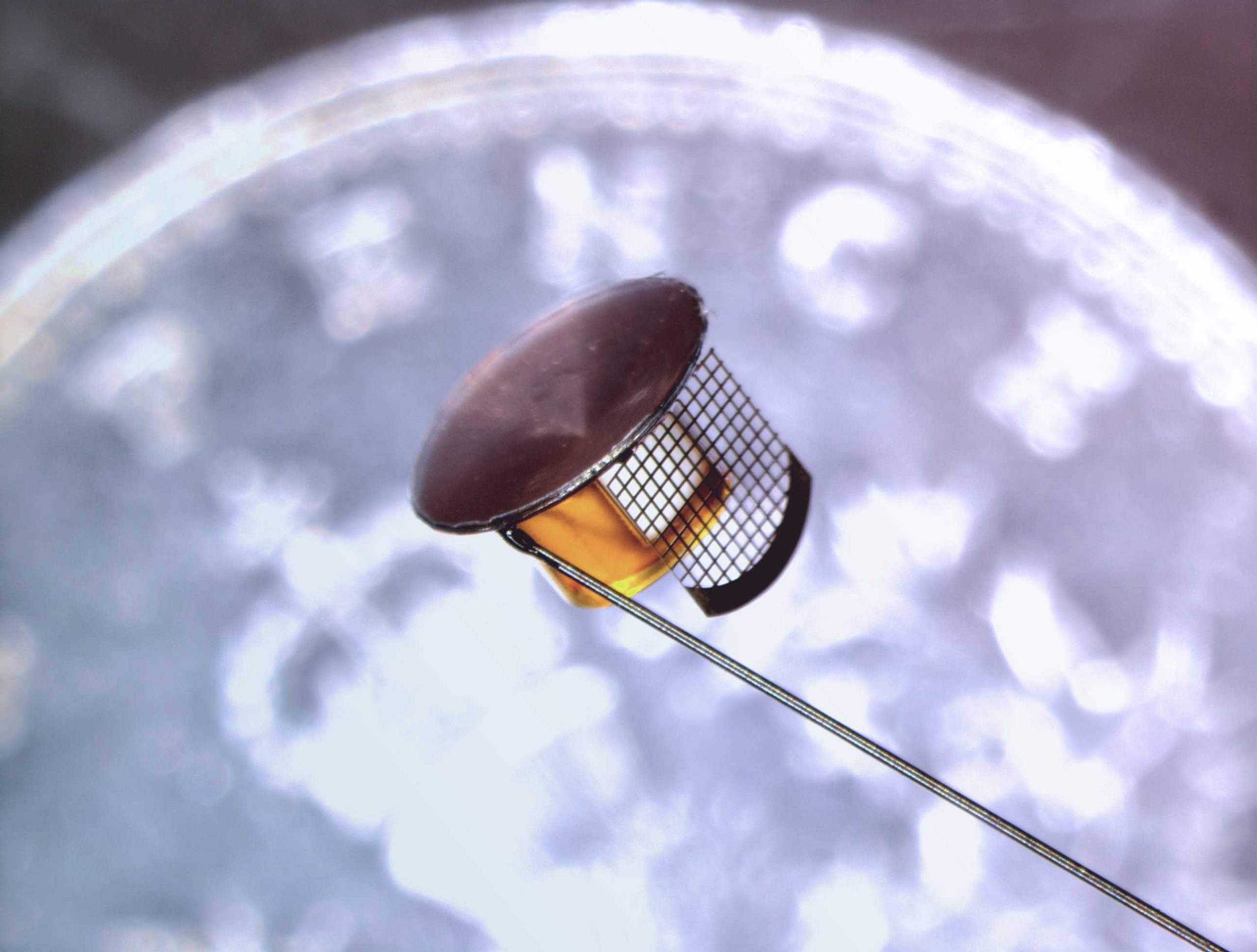
Fusion target precision mass-manufacturing is an area with huge potential and many unanswered questions.
UPLiFT is developing and growing the well-established team within the CLF’s Target Fabrication Group to expand the UK’s expertise in ultra-precision high-value manufacturing to encompass fusion fuel implosion targets, exploring the potential for mass manufacture, characterisation of the fuel targets, and cutting-edge additive manufacturing techniques.
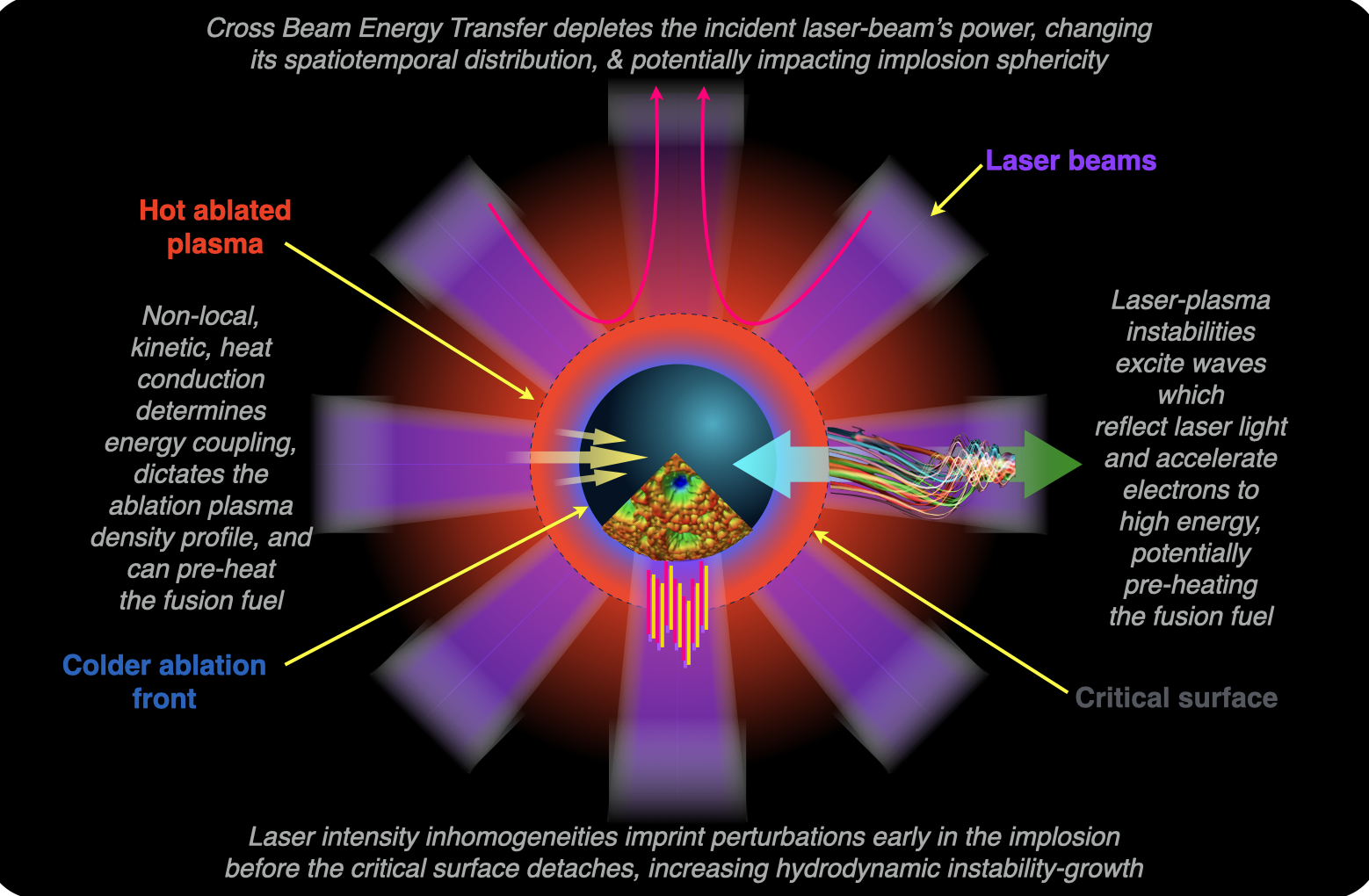
UPLiFT will coordinate a wider team of specialists from across the academic community.
This team, from across the UK, at the CLF, University of Oxford, Imperial College London, University of Warwick and the University of York, is developing advanced high-gain implosion designs using benchmarked state-of-the-art simulation codes. The physics work package is developing new models to accurately describe the physics of Direct Drive inertial fusion and testing these against dedicated experiments performed on the Omega and LMJ laser facilities. These implosion designs and codes will be used to help inform the laser and target development, and ultimately the specification of a next-generation laser-implosion facility.