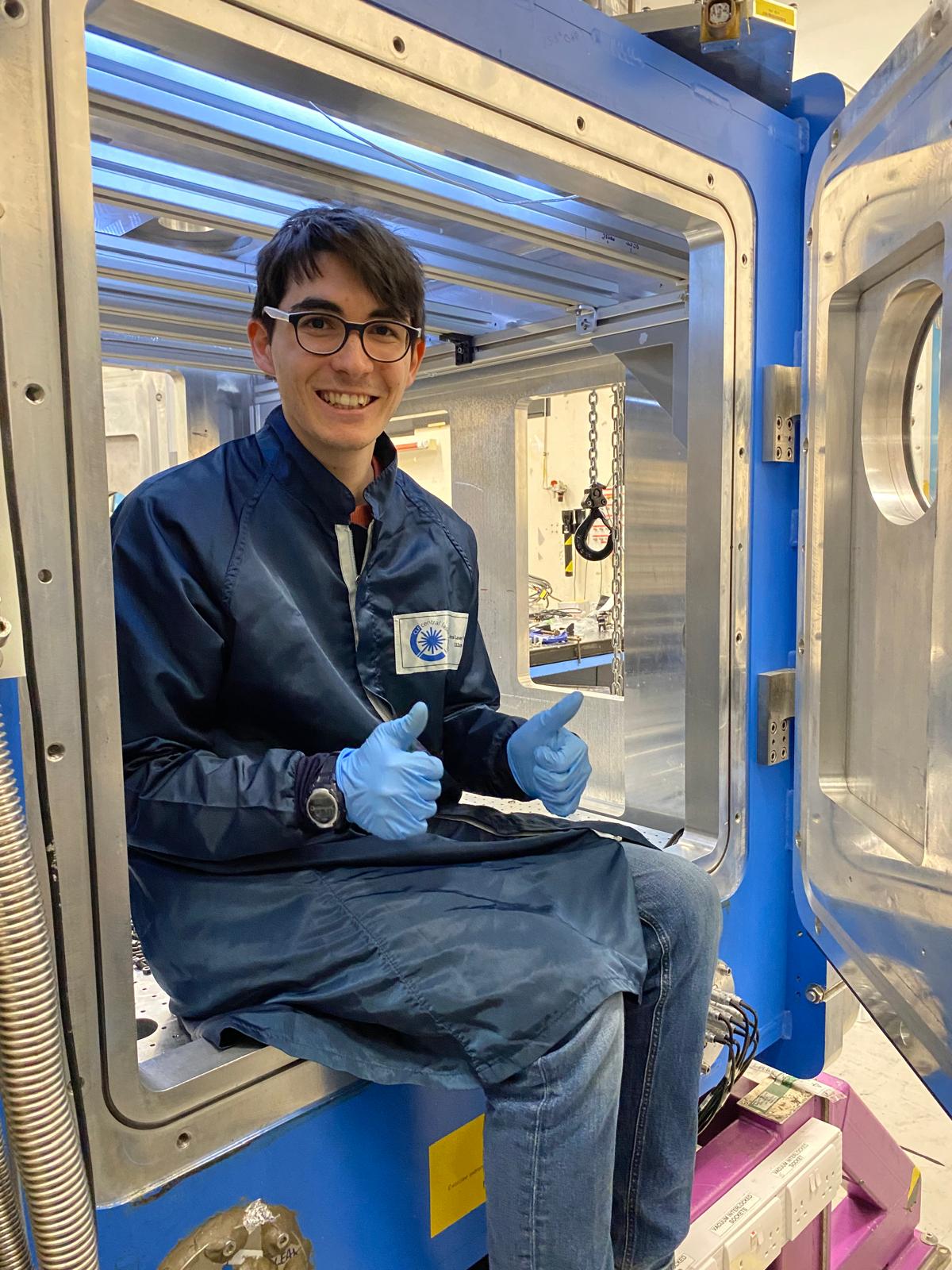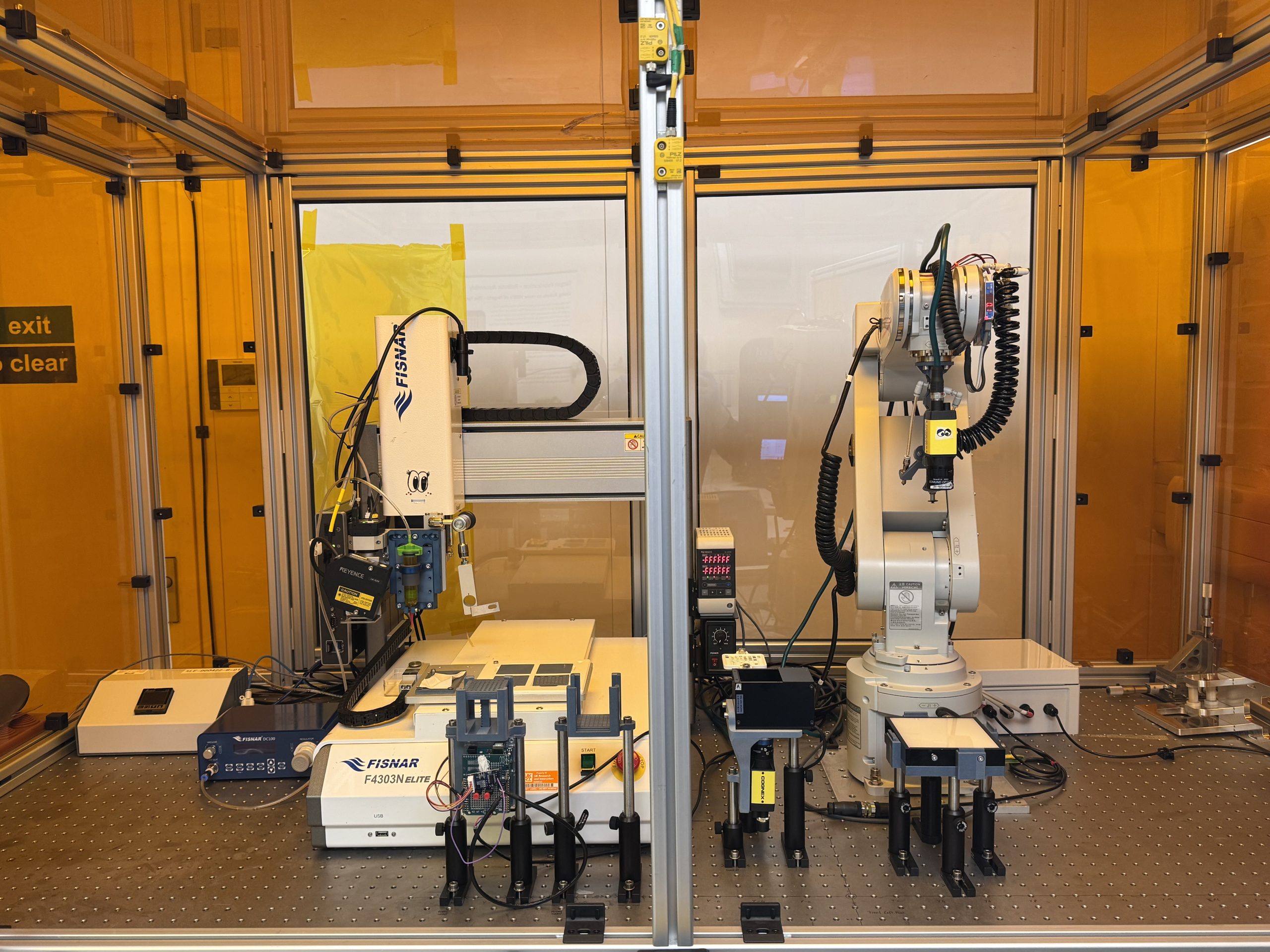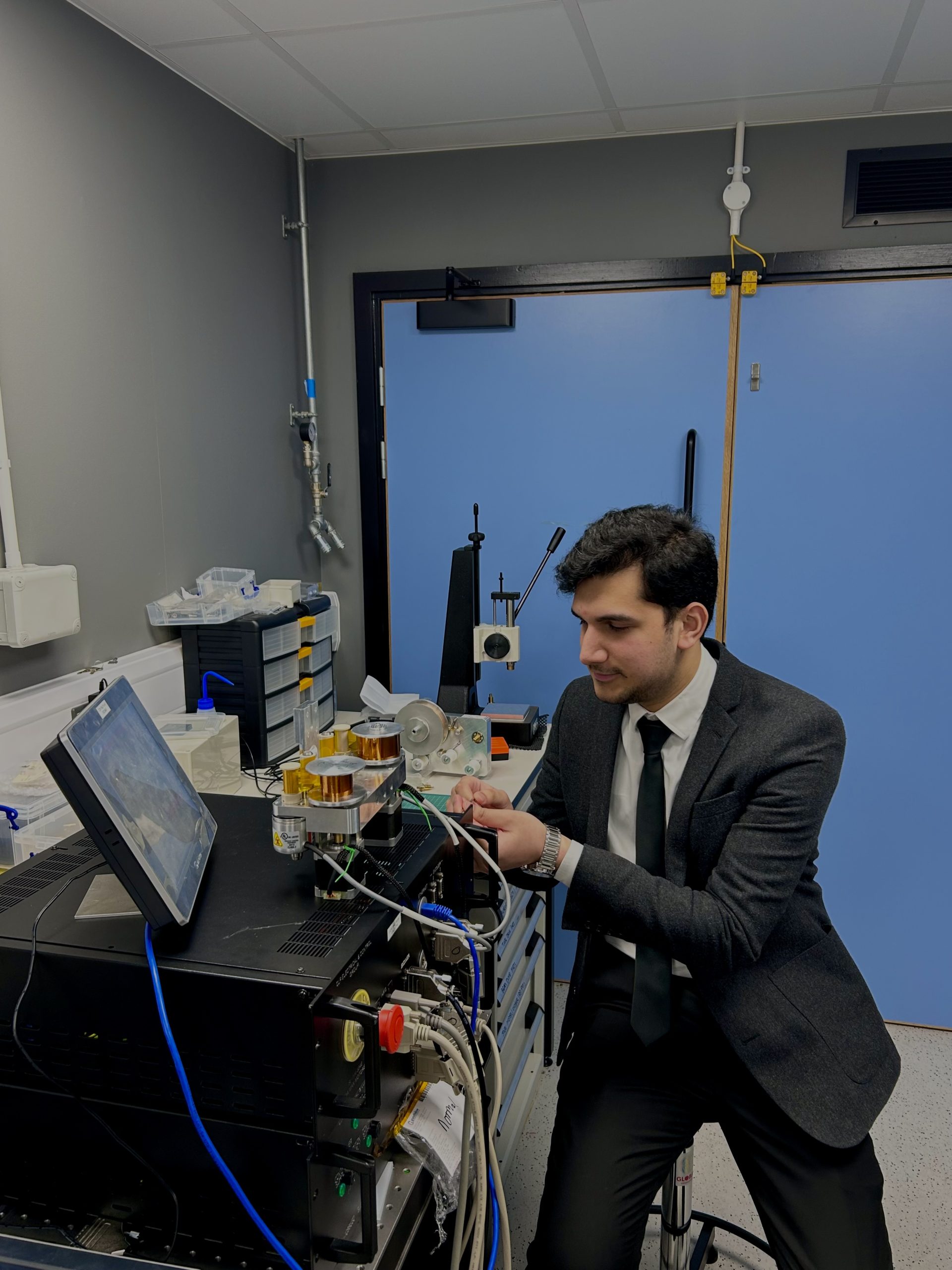
STFC industrial placements in science, engineering, and engagement allow UK university students to gain hands-on experience working alongside renowned research teams. This article explores what a year at the Central Laser Facility (CLF) was like for four placement students, Kirstie, Marilena, Luca and me, Adeel.
Kirstie Davies – MSc Biomedical Science student from the University of Sheffield
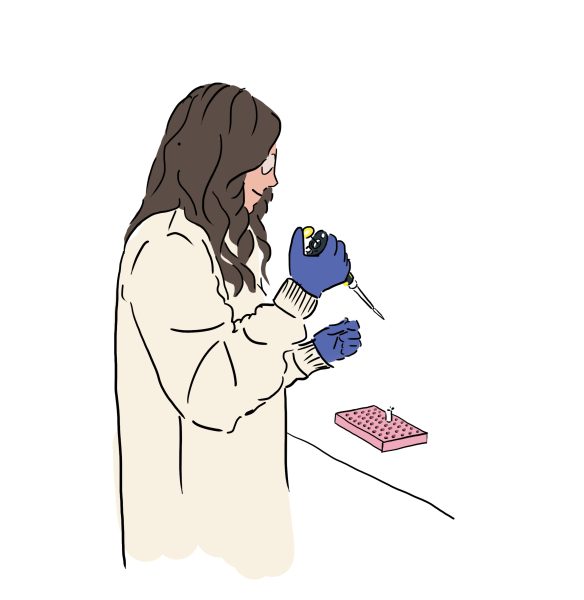
Kirstie spent her placement year working within the Lasers for Science Facility’s (LSF) Octopus bioimaging facility and was drawn to the position because of her interest in cell biology, immunolabelling and fluorescence microscopy. She wanted to gain hands-on experience and have the chance to apply her knowledge and skills in a professional research setting.
Her project focused on expanding the multiplexing capacity of STED (Stimulated-Emission Depletion) microscopy, a super-resolution imaging technique, to enable more biological targets to be visualised at the same time. She examined protein organisation within primary cilia, and the sensory structures found in most cells that are relevant to embryonic development and to diseases including cancer. Day to day, her responsibilities ranged from preparing samples, and operating and running quality checks on the microscope, to image processing/analysis and supporting facility users.
Kirstie said, “Working with users is another aspect of my role that I really enjoyed, as it gave me more insight into different biological applications, as well as a deeper understanding of experimental workflow and design.”
Across the year, Kirstie made good progress in increasing the number of targets that could be visualised through STED microscopy. She also worked as part of the organising committee for the Lasers for Science Facility (LSF) User Meeting, learning about the logistics and coordination involved with running a large event.
Kirstie added, “The most valuable thing I have learnt is that even when things do not go as planned, there is always something to learn from those mistakes and ‘failed’ experiments. They are often just a step toward better protocols.”